PROJECTS

WHERE STRATEGY BECOMES SOMETHING YOU CAN SEE
TKC works alongside public agencies, nonprofit organizations, and private companies wrestling with complex challenges. We help bring the right people together, develop practical strategies, and co-develop solutions that last the test of time. Here are some of the projects that show what that looks like in practice.
Project highlights
SOUTHWEST IDAHO ALL-LANDS PARTNERSHIP
WILDFIRE RESILIENCE / FORESTRY / LEADERSHIP

THE CHALLENGE
Wildfire risk doesn't stop at property lines or agency boundaries. Southwest Idaho needed a coordinated approach to reducing wildfire risk across a landscape that spans jurisdictions, landowners, and organizations.
THE WORK
TKC provides strategic leadership and facilitation for The Partnership, bringing agencies, landowners, funders, and technical experts together around shared priorities.
THE GOAL
Treat 150,000 high-impact acres by 2036 while building the partnerships, resources, funding and capacity needed to make landscape-scale wildfire resilience possible.
trees idaho
URBAN FORESTRY / CLIMATE ACTION / LEADERSHIP
THE CHALLENGE
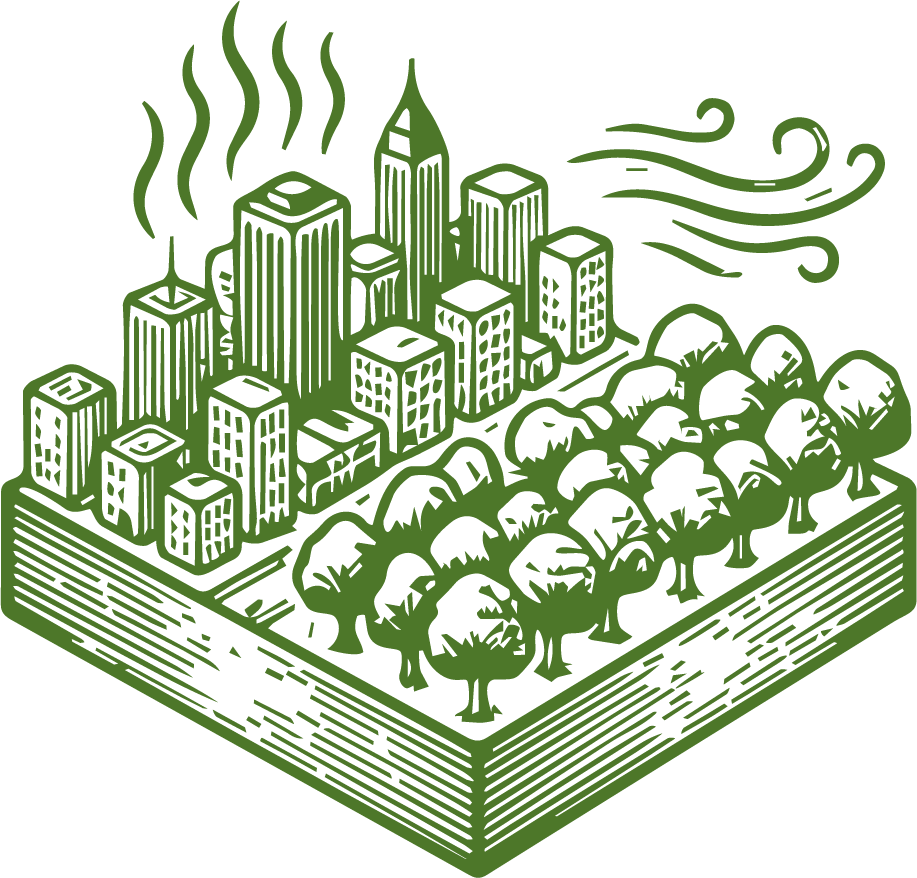
Trees and urban forests improve quality of life, but their benefits depend on communities having the partnerships, resources, and long-term programs to protect and grow them. In 2011, Idaho’s Treasure Valley needed a way to bring organizations together around shared priorities and turn that common interest into meaningful action.
THE WORK
Co-founded by TKC in 2013, the Treasure Valley Canopy Network connected public agencies, nonprofits, businesses, and community members to advance urban forestry initiatives with communities across the Idaho’s Treasure Valley. In 2026, Treasure Valley Canopy Network expanded their impact across statewide as Trees Idaho. Today, TKC serves as an Executive Advisor to Trees Idaho, growing collaborative projects, programs, and policies that help communities across Idaho plan for, plant and grow healthier urban forests.
THE GOAL
Build a lasting, collaborative approach to urban forestry that improves quality of life across Idaho in partnership with public agencies, grassroots community organizations and invested private sector partners.
CLIMATE ACTION IN BLAINE COUNTY, ID
CLIMATE ACTION / FORESTRY / LEADERSHIP
THE CHALLENGE
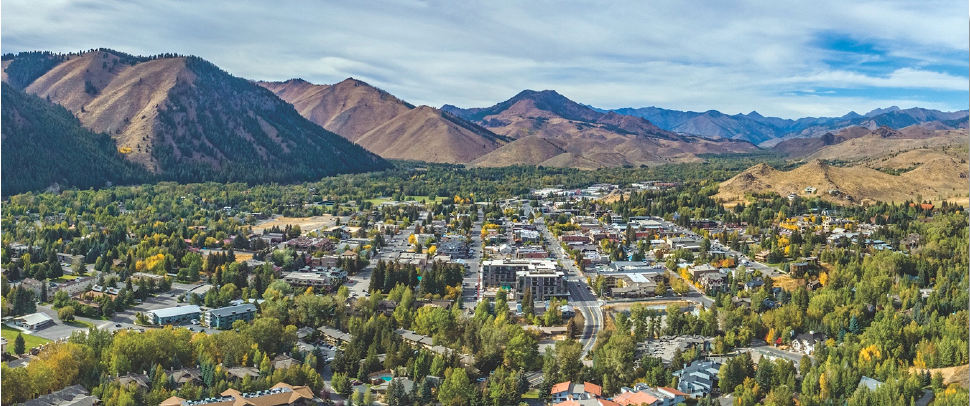
Blaine County’s climate goals require more than a plan—they rely on sustained local collaboration, funding, and practical projects that improve the resilience of the region’s landscapes and people. Turning shared priorities into action means connecting community needs with the technical expertise, resources and funding needed to make progress.
THE WORK
Since 2018, TKC has worked alongside Blaine County’s 5B Climate Action Network (5B CAN) and a network of public, private, and nonprofit partners to advance nature-based climate solutions. The work has included securing funding, supporting GIS mapping and community forest management planning, and helping develop new investments aligned with the county’s Climate Action Plan.
THE GOAL
Turn climate priorities into practical, fundable projects that strengthen the health and resilience of Idaho’s Wood River Valley. Through continued investment and collaboration—including a 2025 award of $99,000 from the Climate Smart Communities Initiative—TKC and its partners are advancing high-priority nature-based solutions across the region.
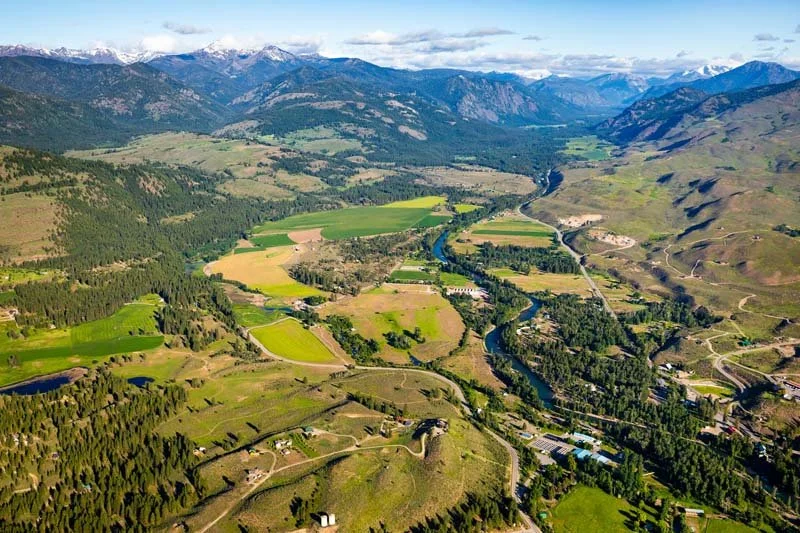
WILDFIRE RESILIENCE IN WINTHROP, WA
WILDFIRE RESILIENCE / CLIMATE ACTION / LEADERSHIP
THE CHALLENGE
In Winthrop, Washington and the surrounding Methow Valley, wildfire resilience depends on more than reducing fuels or preparing individual properties. Rural communities need ways to coordinate across organizations, engage residents, and turn existing knowledge and plans into practical action—often with limited capacity and resources.
THE WORK
Working with the Climate Smart Communities Initiative, Fire Adapted Methow, the Town of Winthrop, and project partners, TKC is helping develop and pilot a Wildfire Resilience Toolkit and collaborative governance model. The work brings local priorities, community participation, and practical implementation strategies together to help Winthrop move from planning toward coordinated action.
THE GOAL
Develop a practical framework that helps Winthrop strengthen wildfire preparedness and community resilience. The resulting toolkit, governance model, and pilot projects will provide a replicable, equitable approach that other rural communities across the United States can deploy when facing wildfire risk and climate challenges.
PORTFOLIO
-
![Aerial view of a small mountain town surrounded by rugged, forested mountains, with white community-themed illustrations overlaid at the bottom.]()
BLAINE COUNTY, IDAHO: CLIMATE ACTION
Since 2018, TKC has worked with Blaine County and regional partners to turn climate goals into investments in healthier, more resilient landscapes. The work has helped advance community forestry plans, mapping, and on-the-ground projects, while building support for nature-based solutions identified in the county's Climate Action Plan.
-
![Treasure Valley Canopy Network logo with a stylized tree, city skyline, and three sustainability-themed illustrations.]()
TREASURE VALLEY CANOPY NETWORK - TREES IDAHO
The Treasure Valley Canopy Network brings communities and organizations together to strengthen urban forests and improve the places people live. Co-founded by TKC in 2013, the Network advances projects, programs, and partnerships focused on tree canopy, urban heat, community forestry, and the wider benefits of healthy urban landscapes.
-
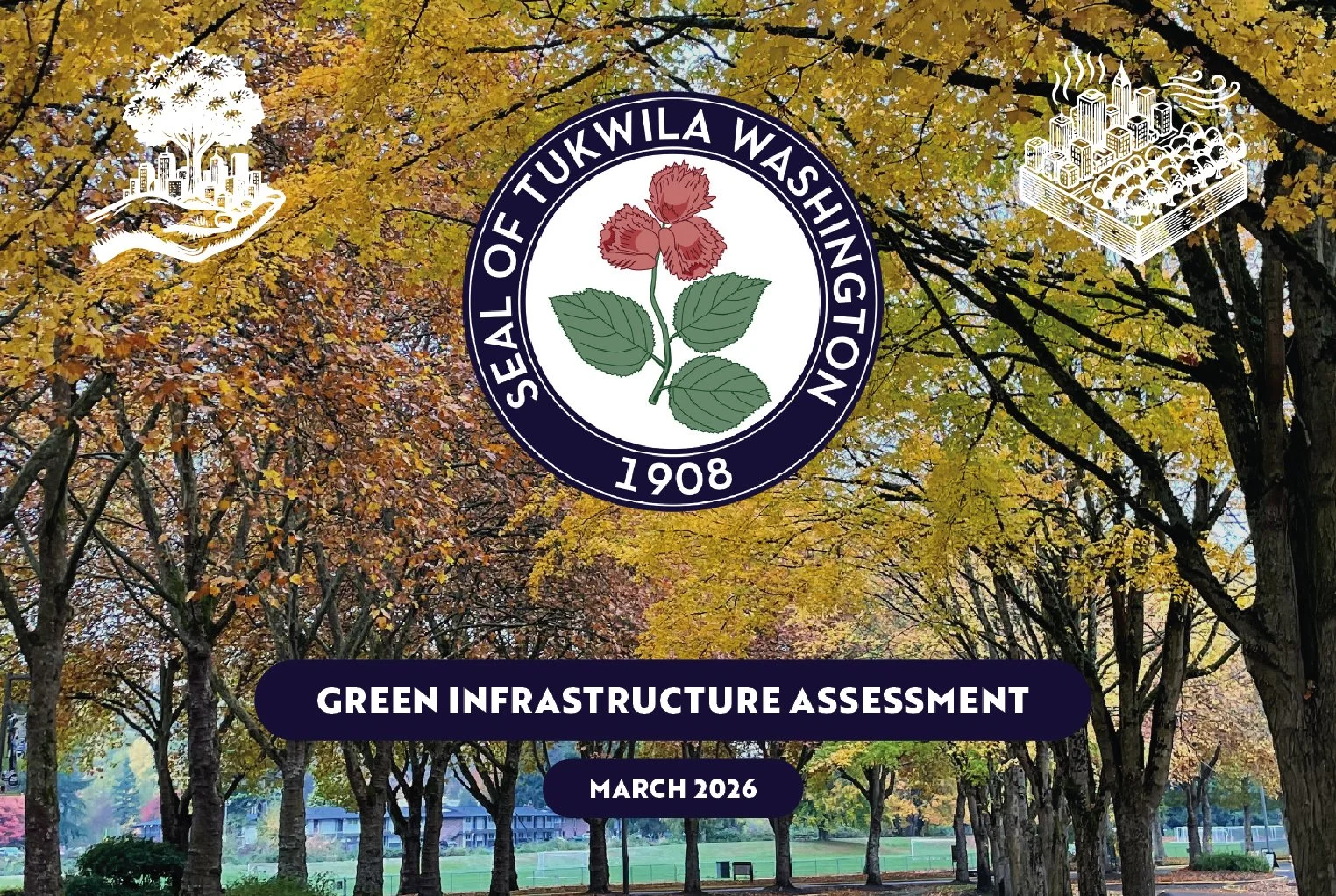
![City of Tukwila, Washington Green Infrastructure Assessment cover, featuring the city seal, tree-lined street, and March 2026 date]()
TUKWILA, WA: GREEN INFRASTRUCTURE ASSESSMENT
Tukwila's Green Infrastructure Assessment evaluated the benefits provided by the city's trees, parks, open spaces, and other natural assets. The assessment helped city leaders identify opportunities to invest in and maintain these systems as part of a healthier, more livable community.
-
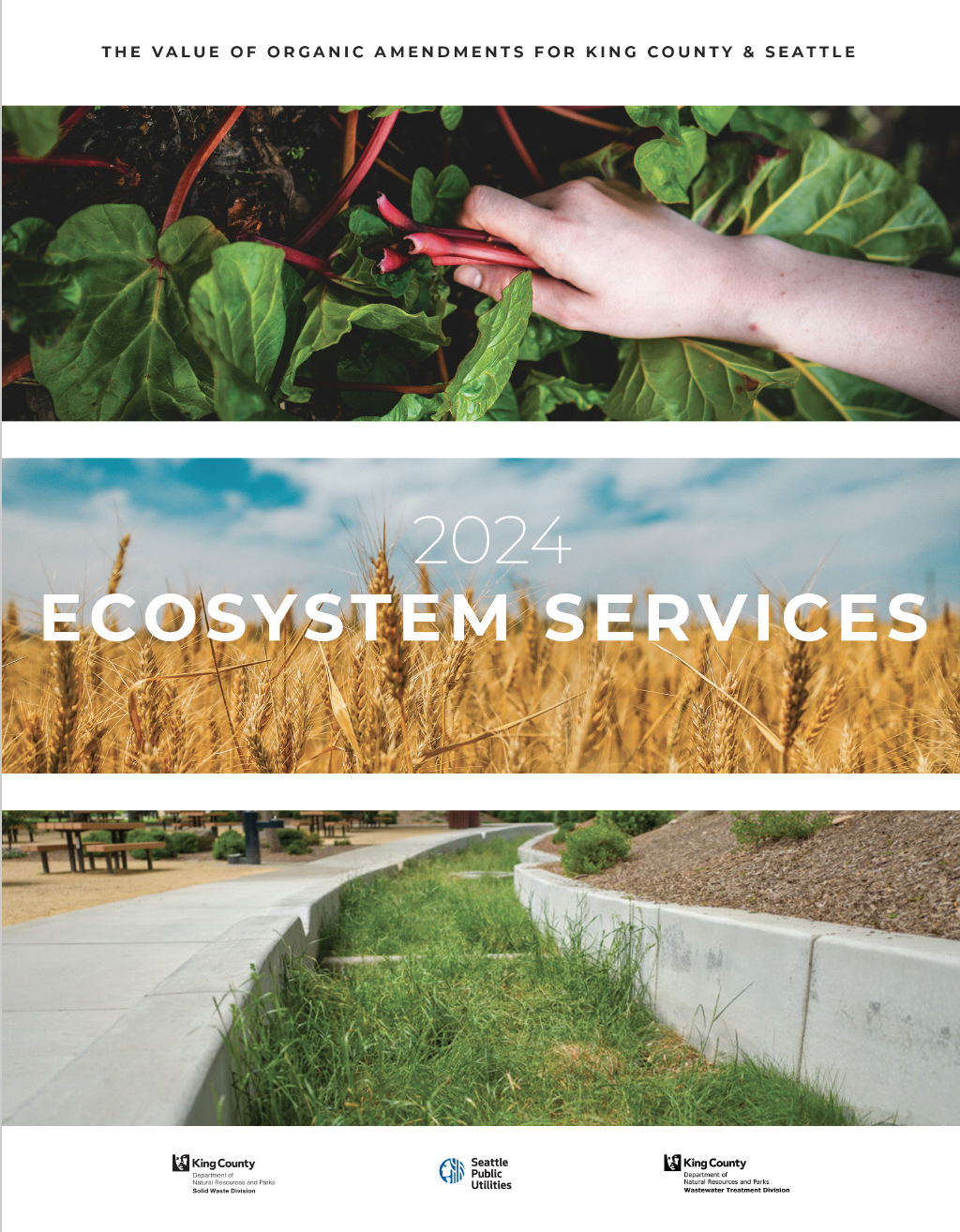
![2024 Ecosystem Services report cover for King County and Seattle, featuring organic amendments, wheat fields, and a vegetated stormwater channel.]()
king county + city of seattle, WA
King County and Seattle wanted to better understand the environmental and economic value of their compost and biosolids programs. TKC worked with a multidisciplinary team to assess those benefits and identify how the findings could inform future investment, program improvements, and public education.
-
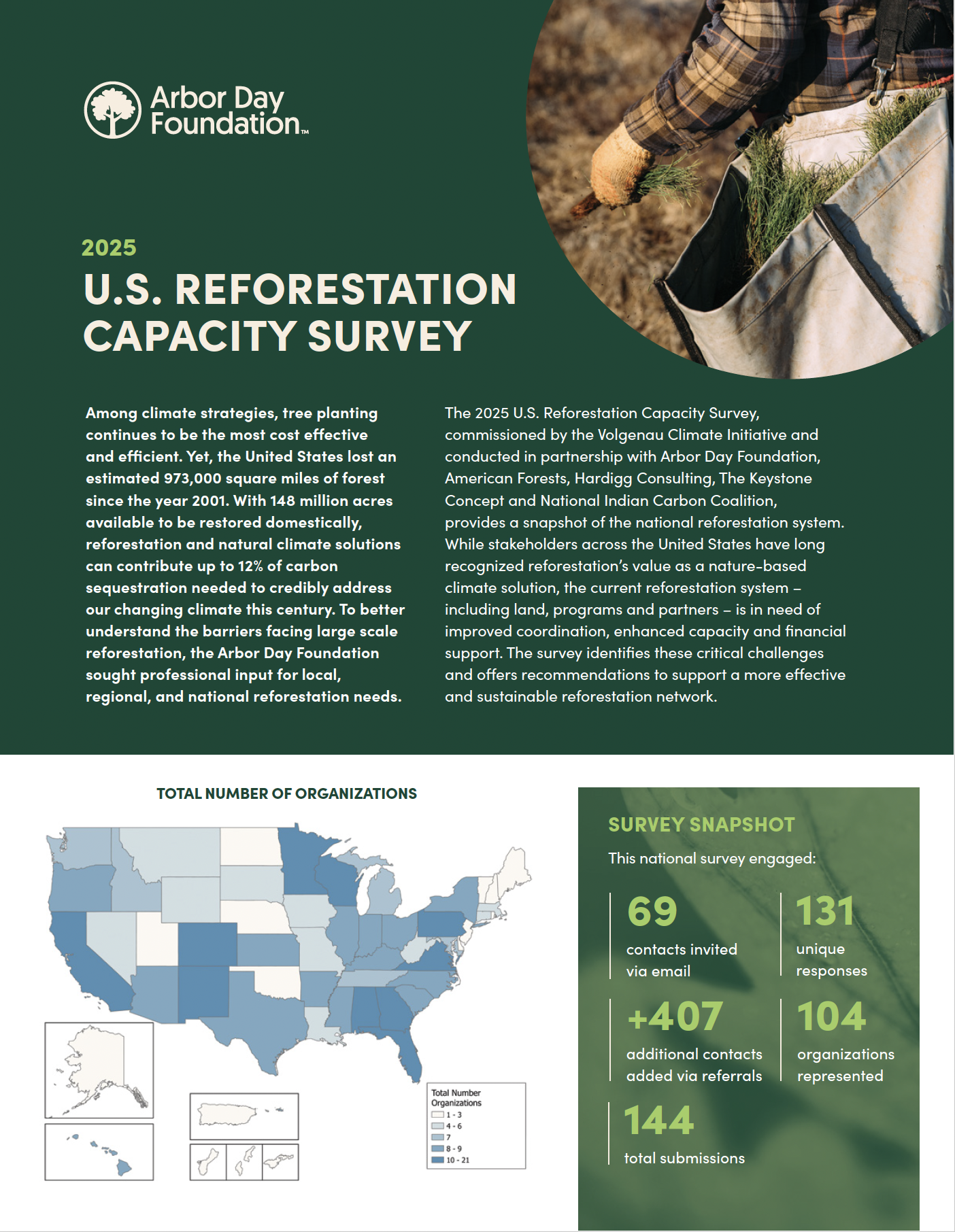
![Arbor Day Foundation 2025 U.S. Reforestation Capacity Survey report cover with tree planting photo, survey overview text, U.S. organization map, and participation statistics.]()
arbor day foundation: U.S. REFORESTATION
The U.S. Reforestation Capacity Survey examined the organizations, resources, and systems supporting reforestation across the country. Led by the Arbor Day Foundation with TKC and Hardigg Solutions, the project identified gaps and opportunities to strengthen collaboration and expand reforestation as a nature-based climate solution.
-
![City of Trees Challenge logo featuring a green tree, city skyline, navigation arrow, and the words “City of Trees Challenge.”]()
CITY OF TREES CHALLENGE: BOISE, ID
The City of Trees Challenge brings residents, public agencies, and community organizations together around an ambitious goal: planting 100,000 trees in Boise and 235,000 seedlings in Idaho's forests by 2030. TKC supports program development and project management, helping turn a shared vision for a greener Idaho into a coordinated community initiative.
-
![Cover of the City of Plymouth, Minnesota Community Forestry Roadmap, April 2024, featuring an aerial view of an autumn park and pavilion.]()
COMMUNITY FORESTRY Roadmap: PLYMOUTH, MN
Plymouth's Community Forestry Roadmap established a long-term direction for managing and improving the city's urban forest. TKC partnered with Davey Resource Group and city staff to assess existing programs, align priorities, and develop a collaborative plan for healthier, more resilient community forests.
-
![Cover of Idaho’s Natural Capital Assessment: A Statewide Ecosystem Services Evaluation, dated March 12, 2023, with an Idaho mountain landscape.]()
IDAHO NATURAL CAPITAL ASSESSMENT
Idaho's Natural Capital Assessment examines the value of the state's natural resources, including the benefits they provide for clean air and water, carbon storage, wildlife habitat, and recreation. TKC supported stakeholder collaboration and facilitation, helping translate this information into resources that land managers and public leaders can use to guide decisions and investment.
-
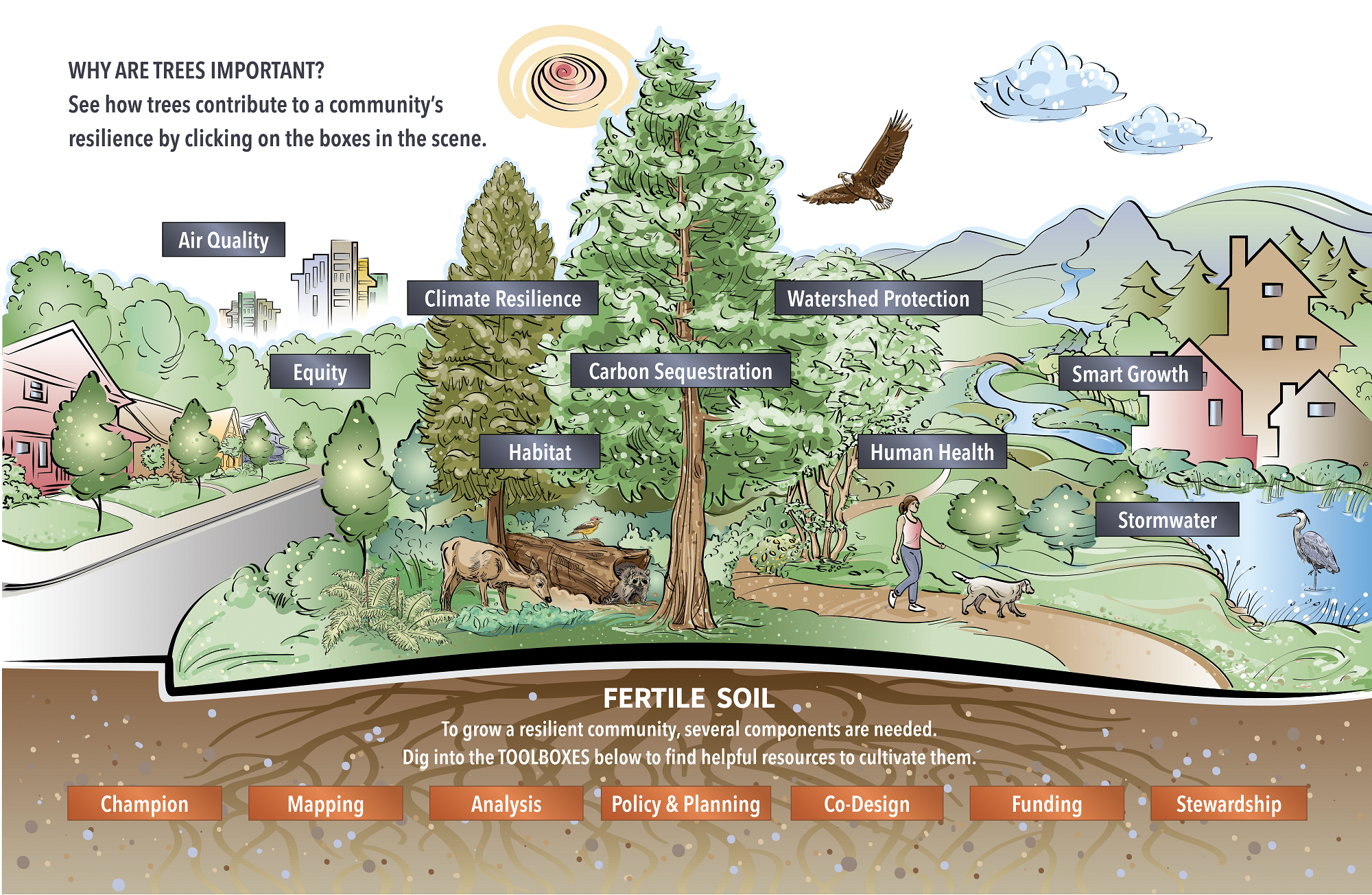
![Illustrated infographic showing how trees support community resilience, including air quality, climate resilience, watershed protection, carbon sequestration, habitat, human health, equity, smart growth, stormwater management, and fertile soil.]()
TREES FOR RESILIENCE TOOLKIT: SNOHOMISH CONSERVATION DISTRICT
The Trees for Resilience Toolkit brings together research, case studies, and practical resources to help communities make better use of their urban forests. TKC supported stakeholder interviews and toolkit development, helping decision-makers explore ways to integrate tree canopy into planning, public programs, and community resilience efforts.
-
![“Your Ash is on the line” logo with green leaves, gears, pine cone, and beetle illustrations]()
COLORADO STATE FOREST SERVICE
As emerald ash borer threatens ash trees across Colorado, communities and forestry professionals need coordinated information and resources to prepare for its impacts. TKC worked with the Colorado State Forest Service and project partners to support collaboration and develop resources for the state's emerald ash borer response.
-
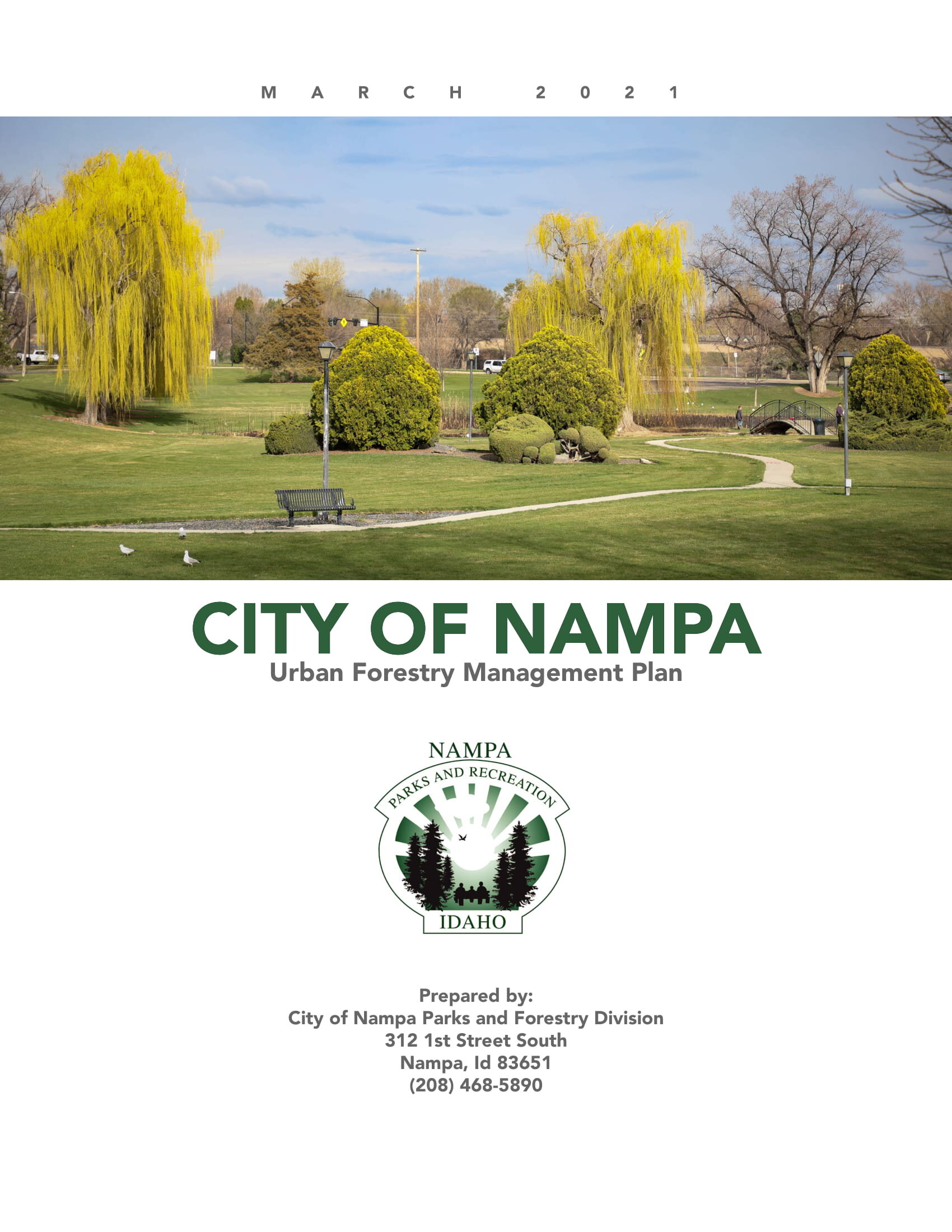
![Cover of the City of Nampa Urban Forestry Management Plan, March 2021, featuring a landscaped park with willow trees, walking paths, and a footbridge.]()
URBAN FOREST MANAGEMENT PLAN: NAMPA, ID
Nampa's first comprehensive Urban Forest Management Plan established a framework for managing the city's trees as the community continues to grow. TKC partnered with Casual Creative and the city's forester to develop the plan's content and design, helping set a direction for the future of Nampa's urban forestry program
-
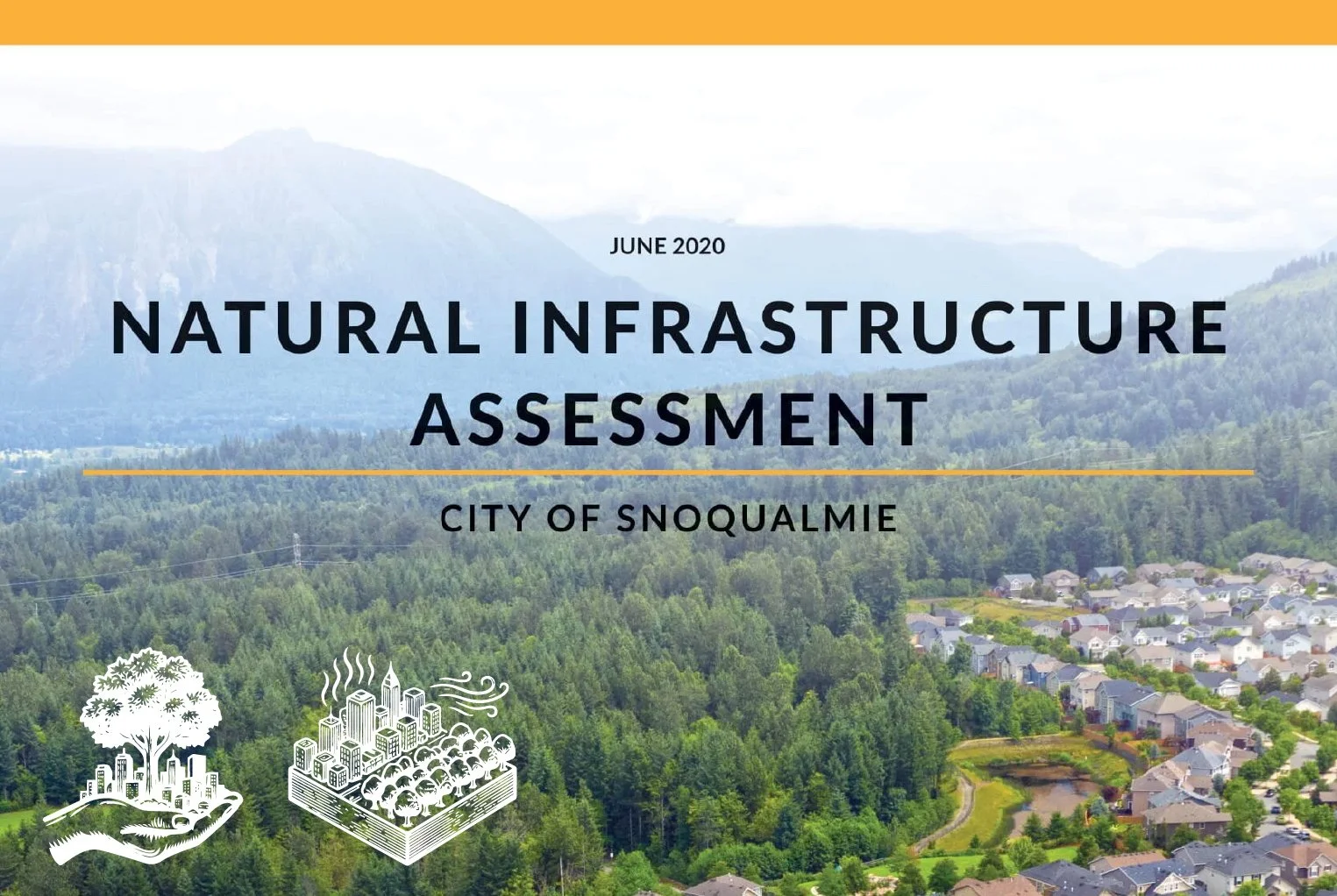
![Cover page for the City of Snoqualmie Natural Infrastructure Assessment, June 2020, over an aerial view of forested mountains and residential neighborhoods.]()
NATURAL INFRASTRUCTURE ASSESSMENT: SNOQUALMIE, WA
Snoqualmie wanted to better understand the value its urban forest provides, including stormwater retention, water quality, and carbon storage. TKC led project coordination and collaboration on an assessment that helped inform increased funding for the city's urban forestry program, including investment through its stormwater utility.
-
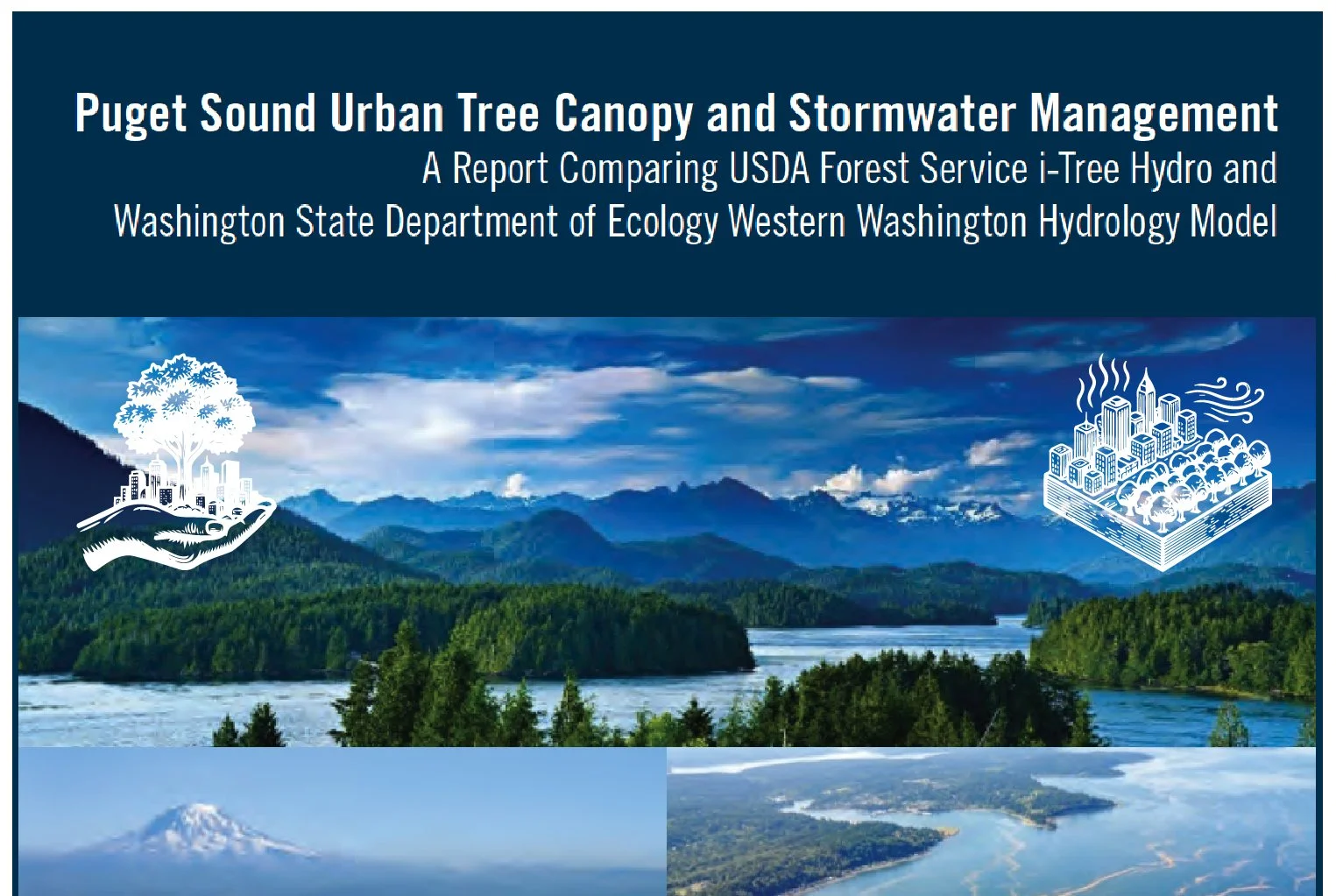
![Report cover titled “Puget Sound Urban Tree Canopy and Stormwater Management,” featuring Pacific Northwest forests, waterways, mountains, and urban tree canopy illustrations.]()
URBAN FORESTRY AND STORMWATER MANAGEMENT: PUGET SOUND
This regional project examined how urban forests help manage stormwater across four communities in the Puget Sound region. TKC coordinated the work and facilitated stakeholder engagement, contributing to research and practical guidance on how communities can better account for trees in stormwater planning and management.
-
![Title graphic for the Natural Capital Resource Assessment of the South Platte River Watershed, featuring colorful interlocking rings and green illustrations of trees, a city, and a pine cone.]()
SOUTH PLATTE: NATURAL CAPITAL RESOURCE ASSESSMENT
The South Platte Natural Capital Project examined the value of natural systems across the watershed, from the mountains to the plains, to support better-informed environmental planning and investment. TKC contributed project management and stakeholder coordination alongside technical partners working with the Colorado State Forest Service and other public agencies.
-
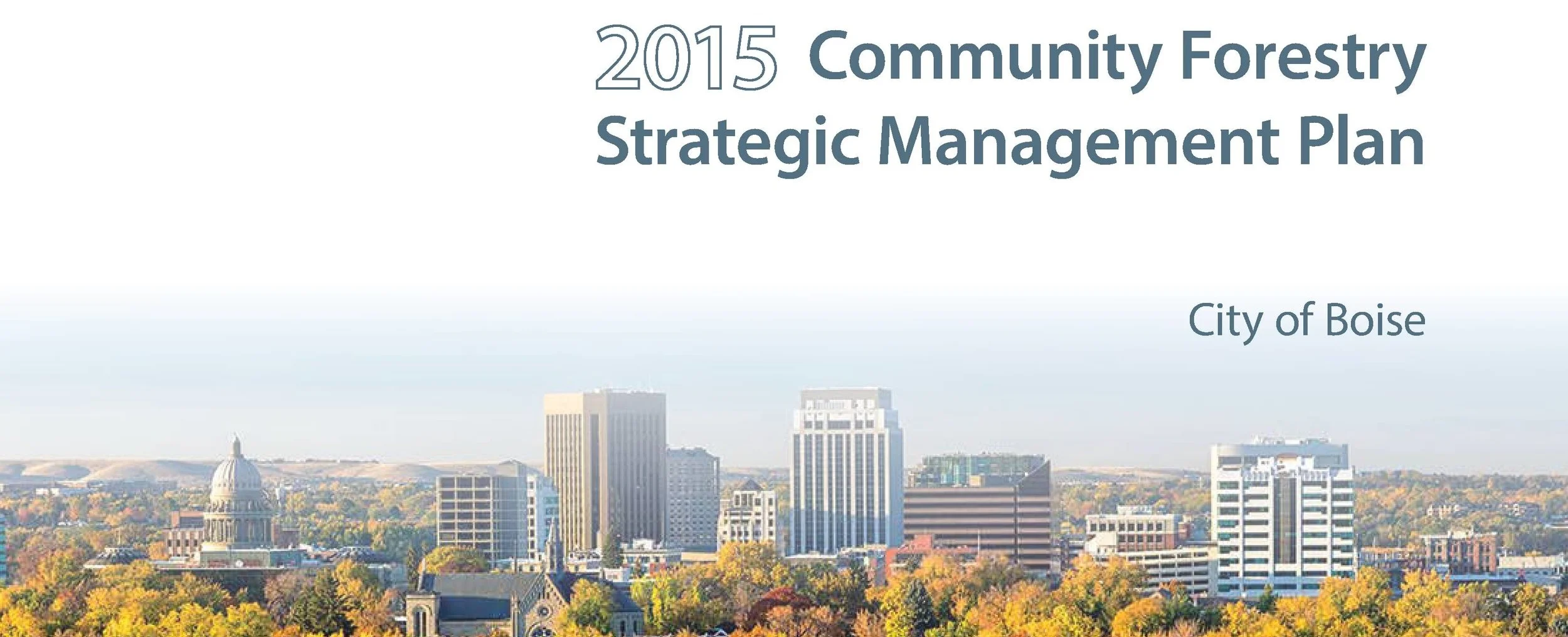
![Cover of the City of Boise 2015 Community Forestry Strategic Management Plan featuring a downtown Boise skyline and autumn trees.]()
City of Boise: Community Forest management plan
Boise's Community Forestry Strategic Management Plan established a ten-year direction for the city's Community Forestry Program. TKC supported project management and stakeholder engagement, helping city departments and technical partners develop a shared framework for managing and growing Boise's urban forest.